
Huntington House Appraisals
Home Appraisals in Huntington, Long Island, NY
Make your next real estate decision with a clearer understanding of your property's value. DMA Appraisers provides residential home appraisals for Huntington homeowners, sellers, and families throughout Suffolk County. Whether you are preparing to list your house, selling independently, or arranging an estate valuation, an independent appraisal helps you move forward with documented information. A home is more than its square footage or an online estimate. Its condition, layout, setting, improvements, and competing properties all deserve consideration. Our approach connects those details with relevant market evidence, giving you a practical foundation for conversations about pricing and your next steps.
Planning to sell in Huntington? Contact DMA Appraisers Inc. at: 516-220-2527 to discuss your Huntington property, appraisal purpose, and schedule.
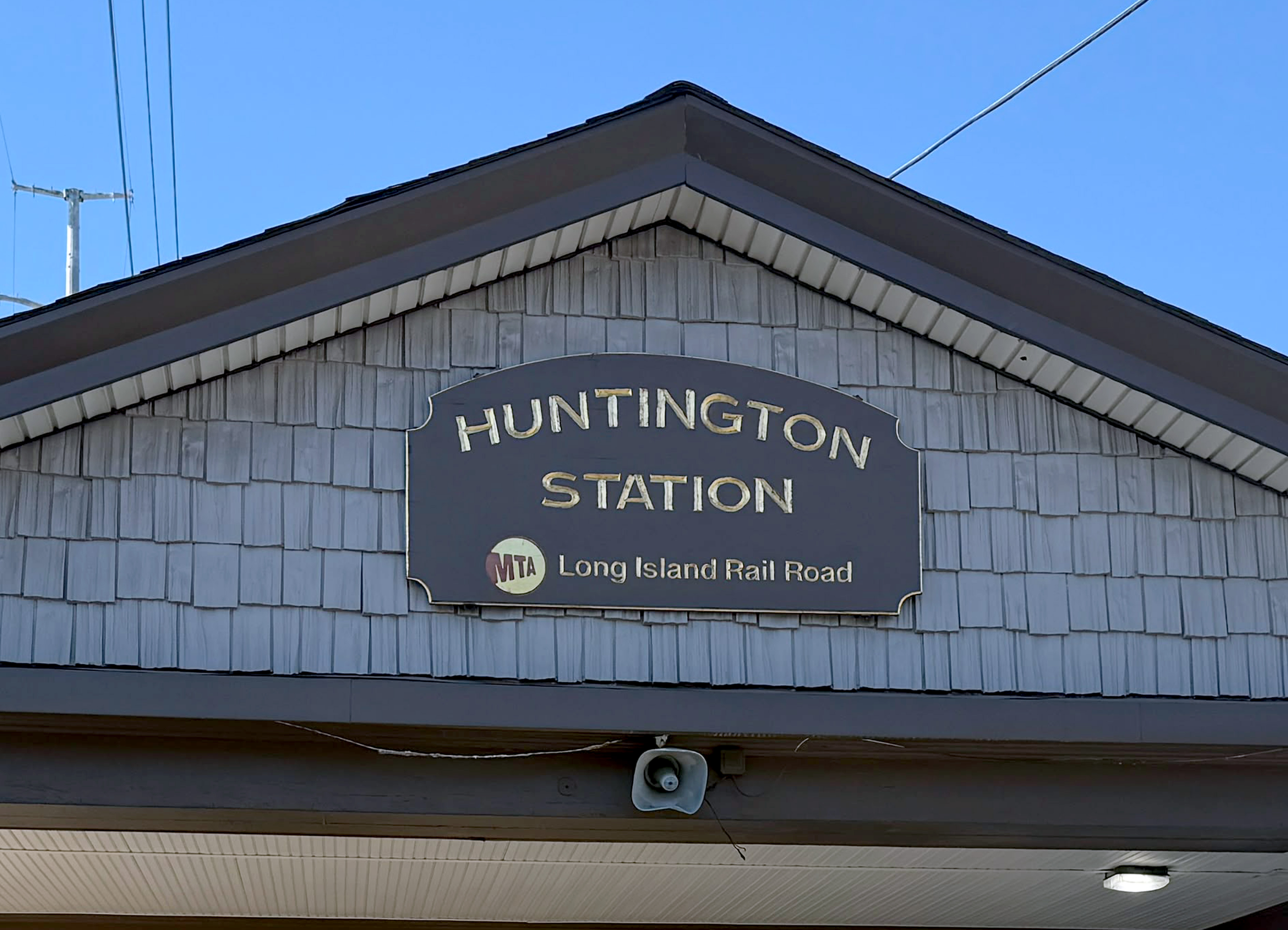
Why Huntington Requires a Local View of Value?
Huntington sits at the western end of Suffolk County on Long Island. The broader Town of Huntington includes
distinct communities such as Huntington Station, Halesite, Greenlawn, Centerport, Cold Spring Harbor, and
Dix Hills. These location names provide useful context, but they do not make every nearby house an
appropriate comparison.
For example, consider two homes with similar bedroom counts: one near downtown Huntington and another on
a larger, more secluded parcel. Their settings, lot usability, layouts, and surrounding competition may differ
substantially. An appraisal investigates those differences instead of assuming that matching a ZIP code or
town name is enough.
Neighborhood boundaries also deserve attention. A mailing address does not establish every property
characteristic or district assignment. Huntington's public GIS offers property and district information that can
help owners gather background records. Property-specific research remains important when identifying the
features and competing sales relevant to an individual home.
Pre-Listing Appraisals for Huntington Home Sellers
A pre-listing appraisal supplies an independent opinion of value before your property reaches the market. It can
be particularly useful when you have received conflicting price suggestions, completed substantial
improvements, inherited a house, or own a property that is difficult to compare with nearby listings.
The report gives you something concrete to review with your real estate agent. Together, you can consider the
appraised value alongside your marketing plan, timing, and current competition. For a homeowner selling
without an agent, the same information can support a more informed asking-price decision and a clearer
explanation of that decision to prospective buyers.
Think about the decision you want the appraisal to support. Are you choosing an initial listing price, deciding
whether to sell now, or reviewing offers after limited interest? Explaining that objective helps define the
assignment. Keep your preferred timing and financial goals separate from the valuation itself: the amount you
hope to receive, your mortgage balance, and what you spent over the years do not independently establish
what the market will support.
An appraisal does not promise a particular sale price or a faster closing. Buyers, financing, negotiations, and
market changes still influence the outcome. Its value lies in replacing unsupported assumptions with a
reasoned assessment of the property as of a stated date. Learn more about our pre-listing appraisal services.
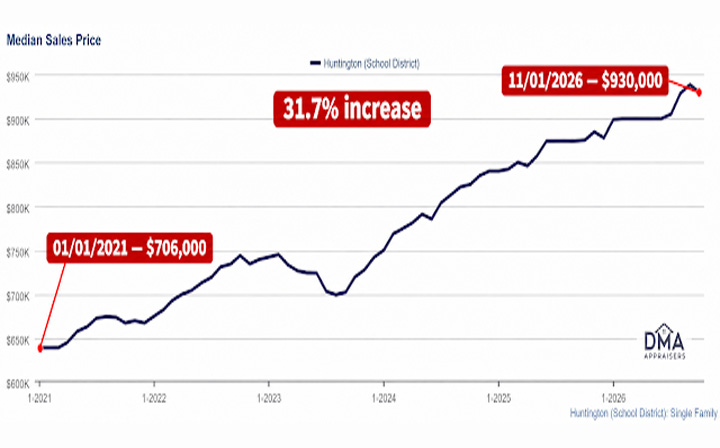
What Influences Your Huntington Home's Appraised Value?
No single feature determines a home's value. A useful appraisal considers how the property's characteristics relate to the alternatives available to buyers in its market. The analysis focuses on relevant evidence, including the following factors.

An Appraisal, an Online Estimate, and a Comparative Market Analysis (CMA)
Online home-value tools can provide a starting point, but their results depend on the information available to
their models. Missing renovations, inaccurate property details, or limited comparable sales can affect the
usefulness of an estimate for your particular house.
A comparative market analysis, commonly called a CMA, helps a real estate agent develop pricing and
marketing recommendations. A professional appraisal provides an independent opinion of value for a defined
assignment. These resources can complement one another, especially when a seller wants both a marketing
strategy and a separately documented valuation.
If the figures differ, examine the reasons. Were they prepared on the same date? Did they use similar
properties? Did each account for your home's condition and layout? Comparing the underlying information is
more useful than simply choosing the highest number.
A price-per-square-foot shortcut can also hide important differences. Imagine a smaller renovated home and a
larger house needing substantial work. Applying one property's price per square foot to the other overlooks
differences in condition, design, land, and buyer preferences. The same caution applies when comparing an
attached residence with a detached home. A professional analysis considers the property as a whole instead of
treating one convenient metric as a complete explanation of value.
What to Expect When You Request an Appraisal
Start by explaining why you need the valuation. A pre-listing assignment, an estate matter, and a lender's
mortgage appraisal can have different requirements. Provide the property address, property type, desired
timing, and any special circumstances. Confirm the scope, fee, inspection arrangements, and anticipated
delivery date before proceeding.
For an assignment that includes a property visit, arrange access to the relevant interior and exterior areas. The
appraiser gathers information about the home and its features, then researches the market and analyzes
appropriate comparisons. The inspection is one part of the work; developing and communicating the value
conclusion requires additional research and judgment.
When you receive the report, review its property description, effective date, assumptions, and supporting
analysis. Ask questions about anything unclear. If you identify a factual error or have relevant information that
was unavailable earlier, provide documentation for review. The goal is a credible conclusion supported by
accurate information.
Keep a copy of the report with the documents used to prepare it. If your sale is delayed, renovations occur, or
market conditions change, ask whether the original conclusion still fits your decision. An appraisal describes
value at its effective date; it is not a permanent price certificate. Likewise, a report ordered for one purpose may
not suit another. Discuss a new intended use before forwarding an existing report as though it automatically
meets different requirements. That conversation can clarify the report's role and help you request the
appropriate service for your circumstances.

Preparing Your Huntington Property and Records
Preparation is largely about making information and access available. Create a short list of major
improvements with approximate completion dates. Gather any available survey, floor plans, permits,
certificates, and property records relevant to additions or alterations. Include information about known
concerns rather than leaving the appraiser to discover incomplete details later.
Make rooms accessible, secure pets, and identify features that may be easy to overlook. Explain unusual
layouts, outbuildings, or recently completed work. You can also share sales you believe are relevant, while
recognizing that the appraiser must independently assess whether those properties are suitable comparisons.
Avoid undertaking a major renovation solely because you assume it will increase the appraisal by its full cost.
Before committing to work, clarify your objectives and ask what type of valuation analysis would help. Practical
preparation should support an accurate understanding of the home.
Appraisal Services Beyond a Traditional Home Sale
Selling independently? Our for-sale-by-owner appraisal services help Huntington owners develop a
documented foundation for pricing. A report can help you explain the property's valuation without relying
entirely on neighboring asking prices or an automated estimate.
Families handling inherited property may need an appraisal tied to a particular historical date. DMA also offers
estate appraisal services. Discuss the intended use and effective date with your attorney or tax professional
before ordering so the assignment addresses the actual need.
DMA's residential practice also includes divorce, immigration, desktop, and bankruptcy appraisal services.
Explain the intended recipient and purpose when requesting a quote. The appropriate reporting format and
scope depend on the assignment; acceptance by a lender, court, or other recipient should never be assumed.

Frequently Asked Questions About Huntington Home Appraisals
The fee depends on the property, assignment purpose, complexity, and required scope. A straightforward residence and an unusual property may require different amounts of research. Contact DMA with the address and intended use for a property-specific quote before scheduling.
Timing depends on appointment availability, property access, available records, and the research required. The visit and report preparation are separate parts of the process. Share any deadline when you inquire, and confirm an expected delivery date for your assignment.
It can be helpful when pricing is uncertain, your home has unusual features, or you want an independent opinion to discuss with your agent. It is also useful for some owners selling independently. Consider the purpose and likely benefit before ordering.
Do not assume so. Lenders determine their own valuation requirements and may arrange another appraisal. A seller's report supports the seller's planning; it does not automatically replace the lender's process or guarantee that another appraisal will reach the same conclusion.
No. An appraisal develops an opinion of value, while a home inspection evaluates property condition for its own purpose. An appraiser may observe issues affecting value, but an appraisal should not be treated as a comprehensive inspection of building systems or concealed conditions.
Not necessarily. Improvement costs and contributory market value are different concepts. Buyers may respond differently to specific finishes, layouts, and upgrades. Supply renovation details, but let the market evidence establish how those improvements contribute to the property's overall value.
Yes. Share relevant addresses and explain why you believe the homes are comparable. The appraiser will evaluate their suitability, available details, and differences. Providing useful evidence helps the research process; requesting a predetermined value does not establish market support.
Yes, DMA offers estate and retrospective valuation services. Explain whether you need a current value or a value as of an earlier date. Coordinate the assignment requirements with the professional handling the estate before the appraisal begins.
Why Choose DMA Appraisers?
DMA Appraisers is led by Anthony Lucchi, a certified residential real estate appraiser with more than 20 years of experience and over 10,000 completed home appraisals. The firm serves Suffolk County, Nassau County, and Queens. Huntington property owners can contact Anthony directly to discuss the information needed for their assignment and the next steps.
Request Your Huntington Home Appraisal
Bring clarity to your next property decision. Whether you are preparing to sell, comparing pricing options, or
arranging a specialized valuation, DMA Appraisers can discuss the right scope for your needs.
Call 516-220-2527, email anthony@dmaappraisers.net, or visit dmaappraisers.com to request a Huntington, Long
Island home appraisal.